Do I need a dental crown? Signs a Tooth Needs One and How It Helps
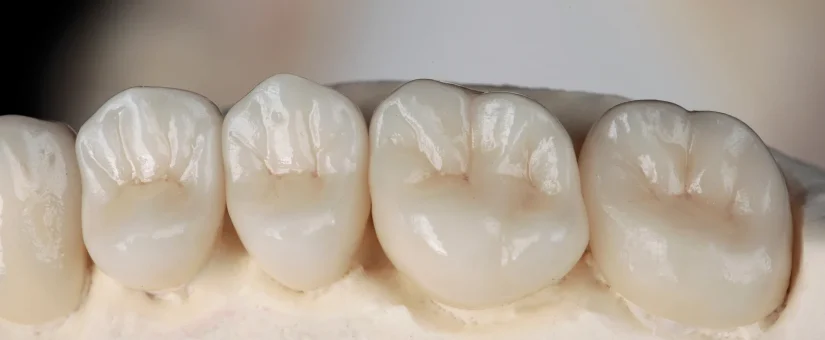
A dental crown is a custom-made cap that fully covers a damaged or weakened tooth. It restores strength, protects the remaining structure, and improves appearance. Crowns are commonly recommended when a tooth cannot be restored with a filling alone.
Many patients are unsure when a dental crown is necessary. Some assume it is only for severe damage, while others delay treatment because the tooth still feels functional. The reality is that early intervention often prevents fractures, infection, or tooth loss. Understanding the warning signs can help you seek treatment at the right time and avoid more complex procedures later.
This guide explains when a dental crown may be needed and how it helps protect your long-term oral health.
Signs a Tooth May Need a Dental Crown
Certain clinical conditions indicate that a tooth requires full coverage rather than a simple filling. If you experience any of the following, your dentist may recommend a dental crown:
- Severely cracked or fractured tooth. Cracks weaken the tooth structure. A crown holds the tooth together and reduces the risk of further splitting.
- Large filling with minimal natural tooth remaining. When decay removes a significant portion of the tooth, a filling may not provide enough support. A crown reinforces and stabilizes the remaining structure.
- After a root canal procedure. A tooth treated with a root canal becomes more brittle because the pulp has been removed. A dental crown protects the tooth from fracture and restores function.
- Pain when biting or chewing. Discomfort under pressure can signal structural weakness or hidden cracks. A crown distributes biting forces evenly and protects compromised enamel.
- Advanced wear from teeth grinding. Chronic grinding shortens and flattens teeth. A crown rebuilds lost structure and shields the tooth from continued damage.
- Severe discoloration or misshapen teeth. When cosmetic concerns cannot be corrected with bonding or veneers, a crown provides full coverage and aesthetic improvement.
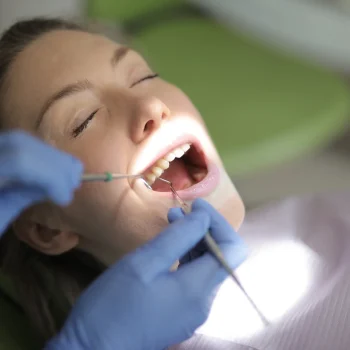
Only a clinical examination and imaging can confirm whether a dental crown is the appropriate treatment. Early evaluation reduces the risk of emergency dental issues.
How a Dental Crown Restores and Protects Your Tooth
A dental crown covers the entire visible portion of the tooth above the gum line. This full-coverage design provides structural reinforcement and long-term protection.
Key benefits include:
- Restores strength to weakened teeth
- Prevents further cracking or fracture
- Protects against bacterial infiltration
- Improves chewing efficiency
- Enhances appearance with natural-looking materials
- Extends the lifespan of the treated tooth
Modern crowns are made from durable materials such as porcelain or zirconia. These materials are designed to match the color and translucency of natural teeth while withstanding daily bite forces.
The procedure typically involves reshaping the affected tooth to create space for the crown. Your dentist then takes a digital scan or impression to ensure a precise fit. A temporary crown may be placed while the final restoration is fabricated. Once ready, the permanent dental crown is bonded securely in place.
With proper care and regular dental visits, a crown can last many years and maintain both function and appearance.
When to Schedule an Evaluation for a Dental Crown
You should schedule a dental visit if you notice visible cracks, persistent discomfort when chewing, or a history of large fillings or a recent root canal. Delaying treatment can allow small fractures to worsen, leading to infection or tooth loss.
Early assessment allows your dentist to determine whether a dental crown can preserve the tooth before more invasive procedures become necessary. In many cases, timely treatment prevents the need for extraction or dental implants.
If you are unsure whether your tooth needs a dental crown, the most reliable step is to have a professional evaluation. Dr. William Rice can examine your tooth, review imaging, and clearly explain your treatment options. A personalized recommendation ensures that your tooth is restored with the appropriate level of protection.
Contact Dr. William Rice’s office today to schedule a consultation and determine whether a dental crown is the right solution for your smile.
- Posted by Suzette Moreno
- On February 28, 2026
- 0 Comment