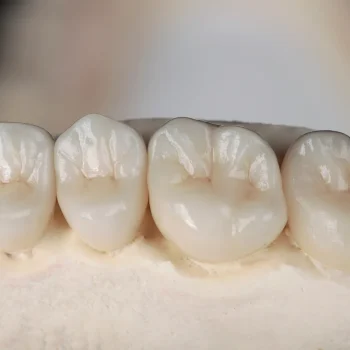
Bridges vs Implants: Choosing the Right Option for Missing Teeth
Missing teeth can affect more than just your smile. They can impact your ability to chew, speak clearly, and maintain proper oral health. Over time, gaps can also lead to shifting teeth and bone loss, making it important to explore replacement options as soon as possible.
Two of the most common solutions are dental bridges and dental implants. While both are effective, they differ in structure, longevity, and overall approach. Understanding these differences can help you make a confident and informed decision.
What Are Dental Bridges and Dental Implants?
Before comparing the two, it helps to understand how each option works.
What Is a Dental Bridge?
A dental bridge is designed to fill the gap left by a missing tooth by using the surrounding teeth for support. Crowns are placed on the adjacent teeth, with a false tooth positioned in between to “bridge” the space.
This option is often chosen for its simplicity and shorter treatment timeline, as it typically does not require surgery.
What Is a Dental Implant?
A dental implant replaces both the visible tooth and its root. A small titanium post is surgically placed into the jawbone, where it fuses with the bone to create a stable foundation for a crown.
Because it integrates with the jawbone, an implant functions more like a natural tooth and offers long-term stability.
Key Differences Between Bridges and Implants
While both options restore function and appearance, they differ in several important ways. Understanding these distinctions can help guide your decision.
Both dental bridges and dental implants are reliable, but the right choice depends on your priorities, lifestyle, and oral health needs.
- Cost and investment: Dental bridges typically have a lower upfront cost and are more likely to be covered by insurance, while implants require a higher initial investment.
- Longevity and durability: Implants are designed to last many years, often a lifetime with proper care, while bridges may need replacement after several years.
- Procedure and timeline: Bridges can often be completed in a few visits, whereas implants involve a surgical procedure and healing period that can take several months.
- Impact on surrounding teeth: Bridges require reshaping neighboring teeth for support, while implants do not affect adjacent teeth.
- Oral health and maintenance: Implants are generally easier to clean and help preserve jawbone health, while bridges may require additional care to clean around them.
How to Choose the Right Option for You
Choosing between dental bridges and dental implants depends on several personal and clinical factors. There is no one-size-fits-all solution, and the best choice will depend on your unique situation.
If you are looking for a quicker, more cost-effective solution, a bridge may be the right option. It can restore your smile efficiently without the need for surgery.
On the other hand, if you are focused on long-term durability and preserving your natural tooth structure, an implant may be a better investment. Implants provide a more permanent solution and help maintain jawbone health over time.
Other important considerations include your overall oral health, bone density, and personal preferences. A comprehensive dental evaluation is essential to determine which treatment aligns best with your needs.
Restore Your Smile with Expert Guidance
Replacing missing teeth is an important step toward improving both your oral health and confidence. Whether you are considering dental bridges or dental implants, having the right guidance can make all the difference.
At Dr. William Rice DDS, patients receive personalized care and expert recommendations tailored to their goals and dental health. Every treatment plan is designed to restore function, enhance aesthetics, and support long-term wellness.
If you are exploring your options for missing teeth, schedule a consultation today and take the first step toward a healthier, more complete smile.
- Posted by Suzette Moreno
- On March 26, 2026
- 0 Comment