Dental Fillings Demystified: Materials, Pros & Cons (Amalgam, Composite, Ceramic, Gold)
When you hear you need a filling, it is normal to have questions. Many patients wonder what dental fillings are made of, how long they last, and which option is best for their smile. While fillings are a standard restorative treatment, they also play an important role in preventative dentistry by stopping decay early and protecting teeth from more serious damage. Modern dentistry offers several safe and effective filling materials, each with unique benefits. Understanding these options can help you feel confident about your treatment and support long-term oral health.
At the office of Dr. William Rice, patient education is a priority. Choosing the proper filling is not just about fixing a cavity. It is about preserving your tooth, maintaining comfort, and supporting a healthy smile for years to come.
What Are Dental Fillings and Why Are They Needed?
Dental fillings are restorative materials used to repair teeth damaged by cavities, minor fractures, or wear. When decay removes part of the tooth structure, a filling restores strength, function, and protection against further damage.
Fillings are commonly recommended to:
- Stop cavities from spreading deeper into the tooth
- Restore normal chewing and bite function
- Prevent sensitivity and tooth pain
- Preserve the natural tooth and avoid more complex treatments
Treating decay early with the right filling material helps prevent the need for crowns, root canals, or extractions later.
Types of Dental Fillings Explained: Materials, Pros & Cons
There is no single best filling for everyone. The right choice depends on the tooth location, bite pressure, cosmetic goals, and budget.
Amalgam Dental Fillings
Amalgam dental fillings are made from a blend of metals and have been used for decades.
Pros
- Extremely durable and long-lasting
- Ideal for back teeth that handle heavy chewing
- More affordable than many alternatives
Cons
- Silver color is visible
- Less commonly chosen for cosmetic areas
Composite Dental Fillings
Composite dental fillings are tooth-colored resin materials that bond directly to the tooth.
Pros
- Natural appearance that blends with enamel
- Requires less removal of healthy tooth structure
- Excellent for small to medium cavities
Cons
- May wear faster than amalgam in high-pressure areas
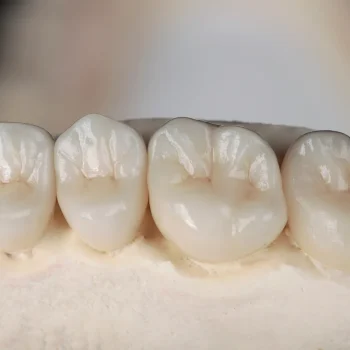
Ceramic Dental Fillings
Ceramic dental fillings, often made from porcelain, are known for their strength and aesthetics.
Pros
- Highly stain-resistant
- Natural-looking and biocompatible
- Long-lasting when correctly cared for
Cons
- Higher cost
- Sometimes requires more than one visit
Gold Dental Fillings
Gold dental fillings are custom-made restorations that offer exceptional durability.
Pros
- Extremely long lifespan
- Strong and resistant to wear
Cons
- Higher cost
- More noticeable appearance
How to Choose the Right Dental Fillings for Your Smile
Selecting the best filling involves more than picking a material. Dr. Rice evaluates each patient individually to recommend the most appropriate option.
Factors that influence filling selection include:
- Size and location of the cavity
- Chewing pressure and bite alignment
- Cosmetic preferences for visible teeth
- Long-term durability and maintenance
- Budget and insurance considerations
A personalized approach ensures your filling supports both function and appearance.
Dental Fillings FAQs
How long do dental fillings last?
The lifespan of dental fillings varies by material. Amalgam and gold can last decades, while composite and ceramic fillings often last many years with good oral hygiene.
Are dental fillings safe?
Yes. All modern dental filling materials are approved for safety and effectiveness. Your dentist will recommend the best option for your specific needs.
Do dental fillings hurt?
The procedure is typically comfortable. Local anesthesia is used to numb the area, and most patients experience little to no discomfort during treatment.
Which dental fillings look the most natural?
Composite dental fillings and ceramic dental fillings offer the most natural appearance and are ideal for visible teeth.
Can old dental fillings be replaced?
Yes. Worn, cracked, or outdated fillings can be replaced to improve function, comfort, and appearance.
How soon should I get a cavity filled?
Delaying treatment allows decay to spread. Early care with dental fillings helps prevent more serious dental problems.
Making Confident Choices About Dental Fillings
Understanding your dental filling options empowers you to make informed decisions about your oral health. With today’s materials, fillings can be strong, discreet, and long-lasting when properly selected and maintained.
If you suspect a cavity, have an old filling, or want to explore your options, schedule a visit with Dr. William Rice, DDS. A personalized consultation can help protect your smile and keep your teeth healthy for years to come.
- Posted by Suzette Moreno
- On January 29, 2026
- 0 Comment