What to Know About Oral Cancer and Periodontal Screenings
Maintaining a healthy smile involves more than brushing, flossing, and occasional cleanings. Two of the most important preventive steps you can take are oral cancer exams and periodontal screenings. These evaluations help detect early signs of gum disease and oral cancer, two conditions that often progress silently until significant tissue damage has occurred.
Understanding how these screenings work and why they matter can help you take control of your oral health. This guide explains what happens during these exams, how they protect your long-term wellness, and what you can do to maximize their benefits.
Understanding Oral Health Screening and Disease Detection
To appreciate the importance of screenings, it helps to understand what happens inside the mouth when disease begins to develop.
Gum disease typically starts with plaque buildup along the gumline. When plaque hardens into tartar, the gums become inflamed, leading to gingivitis. Without proper treatment, this inflammation can progress into periodontitis, resulting in gum recession, bone loss, and ultimately, tooth loss. Because the early stages rarely cause pain, many patients do not realise they have a problem until significant damage is present. This makes periodontal screenings essential for early detection.
Oral cancer forms when abnormal cells develop on the lips, tongue, cheeks, gums, or throat. Early signs can be subtle. Small patches, sores, or colour changes may go unnoticed. Factors such as tobacco use, heavy alcohol consumption, excessive sun exposure to the lips, HPV, age, and genetics all increase risk. As with gum disease, oral cancer is far more treatable when discovered early.
This is why regular dental evaluations are so valuable. Professional screenings help identify problems long before symptoms are noticeable and provide a crucial opportunity for early intervention.
How Periodontal Screenings and Oral Cancer Exams Protect Your Health
Periodontal screenings and oral cancer exams enable dentists to conduct a thorough examination of your gum health and the soft tissues of your mouth. A periodontal screening allows your dentist to measure the depth of the pockets around each tooth, check for signs of inflammation, detect bleeding, and assess whether gum disease is present or progressing. When gum disease is caught early, treatment is more straightforward and more effective.
Oral cancer exams are equally important. During this exam, your dentist evaluates the lips, tongue, cheeks, throat, gums, and the floor and roof of your mouth for abnormal tissue. Detecting oral cancer early significantly increases the chances of successful treatment. Dentists first identify many oral cancer cases because routine screenings reveal something a patient may not have noticed.
These exams are preventive by design. They help protect not just your smile but your overall health. Gum disease has been linked to conditions such as diabetes, cardiovascular disease, and pregnancy complications. Early detection and treatment of oral cancer can be life-saving. This is why integrating regular periodontal screenings into your dental checkups is one of the most important steps you can take for long-term oral health and wellness.
Types of Screenings Your Dentist Performs
Your dentist may use several types of evaluations during a visit, each serving a unique purpose in assessing oral health:
Periodontal Screening and Recording (PSR)
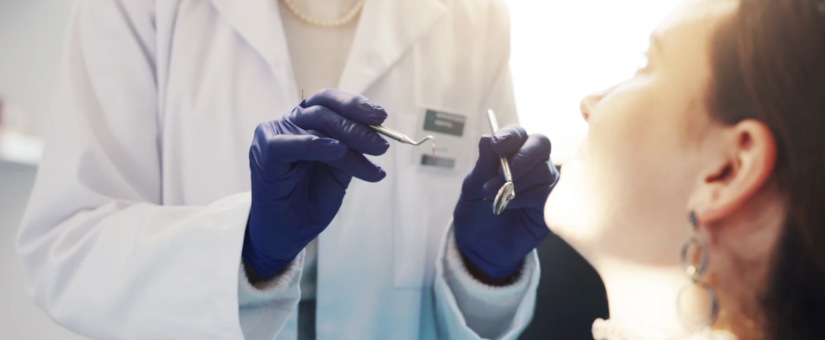
This is a quick assessment used to identify early signs of gum disease. Your dentist uses a periodontal probe to measure the pocket depth around each tooth and assign a score that indicates the health of your gums. It serves as a screening tool that determines whether further evaluation is necessary.
Comprehensive Periodontal Charting
If gum disease is suspected, your dentist may perform a more detailed exam. This includes measuring all pocket depths, gum recession, bleeding points, tooth mobility, and areas of bone loss. This detailed charting creates a complete picture of your periodontal status and helps guide treatment.
Visual and Physical Oral Cancer Exam
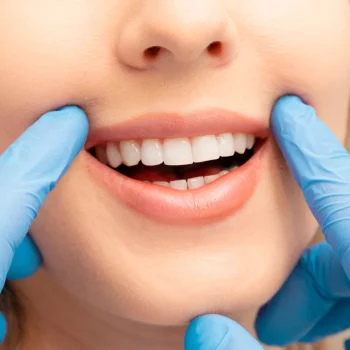
This exam involves visually inspecting the tissues of the mouth and neck. Your dentist may also gently feel the tissues to check for lumps or abnormalities. This thorough evaluation helps identify irregularities early.
Enhanced Oral Cancer Screening Tools
Some practices utilise advanced tools, such as fluorescence lights or special dyes, that highlight abnormal tissue more clearly. These tools can be especially helpful in detecting very early changes that might not be visible to the naked eye.
Each type of exam contributes to early detection, accurate diagnosis, and effective treatment planning.
Tips to Maximize the Benefits of Periodontal Screenings
To get the most out of your periodontal screenings, consistency and self-care are key.
Maintain Regular Screening Frequency
Most adults should have periodontal screenings at least once a year. Individuals at higher risk, such as smokers or those with diabetes, may benefit from more frequent evaluations. Regular screening enables your dentist to detect small changes and intervene promptly when necessary.
Support Screenings with Daily Care
Good oral hygiene is crucial in preventing gum disease. Daily brushing and flossing, combined with routine professional cleanings, help minimize plaque buildup. Staying hydrated, limiting sugary foods, avoiding tobacco, and managing medical conditions such as diabetes also support gum health.
Combine Screenings with Comprehensive Prevention
Periodontal and oral cancer screenings are most effective when combined with other healthy habits. A balanced diet, regular dental visits, stress management, and early treatment of dental issues can all contribute to improved oral health outcomes.
FAQ: Oral Cancer and Periodontal Screenings
How often should I get periodontal screenings?
Most patients should have them once or twice a year, depending on individual risk factors.
Are oral cancer screenings painful?
No. They are quick, non-invasive, and comfortable.
What signs of gum disease should I watch for?
Look for signs of bleeding gums, swelling, gum recession, persistent bad breath, or loose teeth.
What increases my risk of oral cancer?
Tobacco use, alcohol consumption, HPV, prolonged sun exposure, and family history.
Can gum disease be reversed?
Gingivitis can often be reversed with improved hygiene and professional cleanings. Advanced gum disease requires more specialised treatment.
Does insurance cover periodontal screenings?
Many insurance plans include them as part of preventive care, but coverage varies from plan to plan.
Take Control of Your Oral Health Today
Regular oral cancer exams and periodontal screenings are simple steps that can make a significant difference in your overall health. By detecting issues early, you can prevent serious complications, preserve your smile, and maintain long-term oral health and wellness. If it has been a while since your last screening, now is the perfect time to take the next step. Contact Dr. William Rice‘s office to schedule your exam and prioritise your oral health today.
- Posted by Suzette Moreno
- On November 26, 2025
- 0 Comment